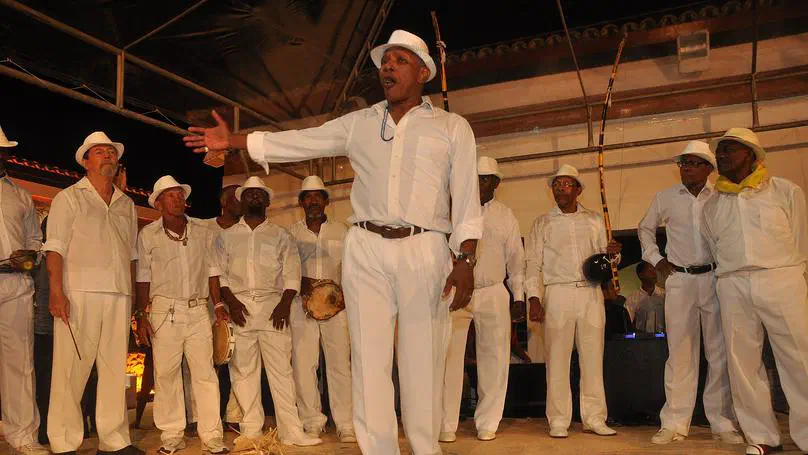
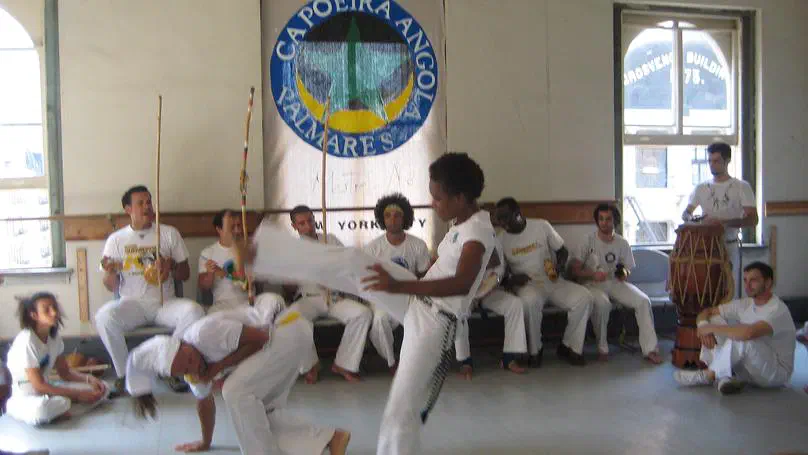
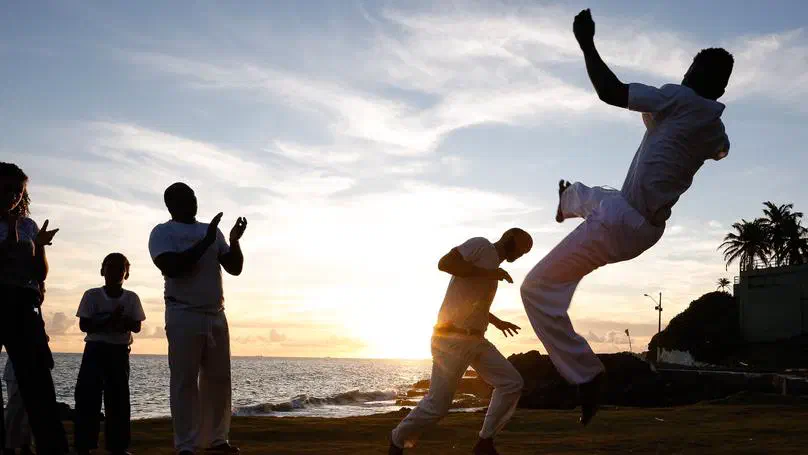
Capoeira is more than kicks and acrobatics. Here we explain the art we practise every week in Berlin: where it comes from, how the roda works, its music and the people who shaped it.
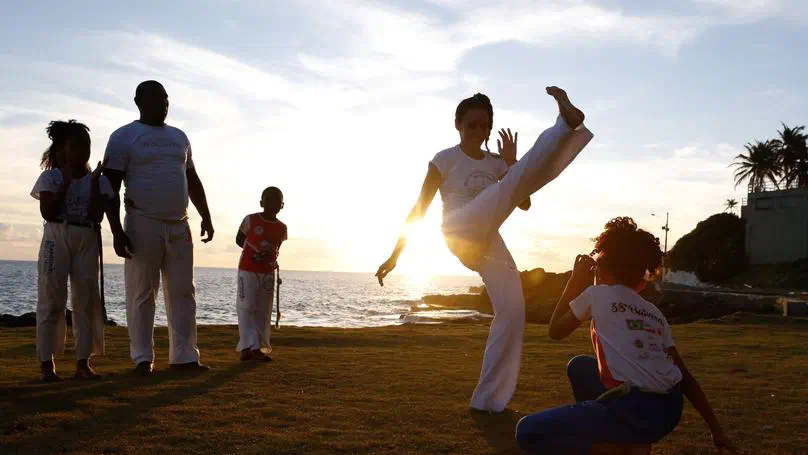
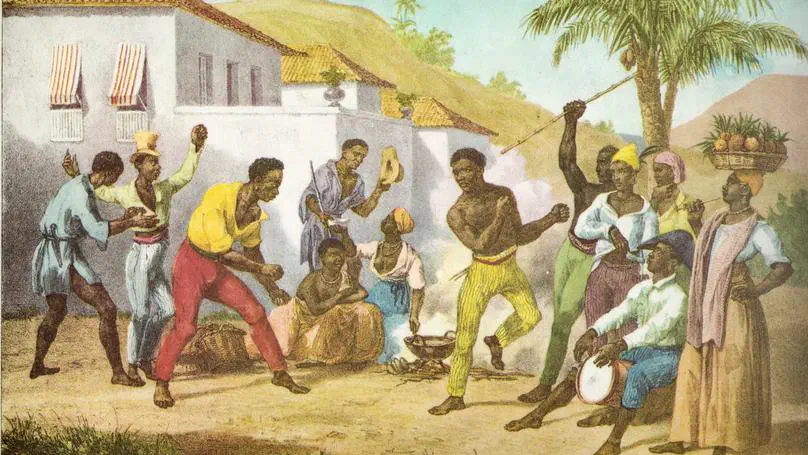
Capoeira is an Afro-Brazilian art that combines fight, dance, acrobatics and music. Learn how the roda works, what the berimbau does and where capoeira comes from.

From the resistance of enslaved Africans in Brazil to a ban in 1890, the first academies of Mestre Bimba and Mestre Pastinha and UNESCO world heritage: the history of capoeira.

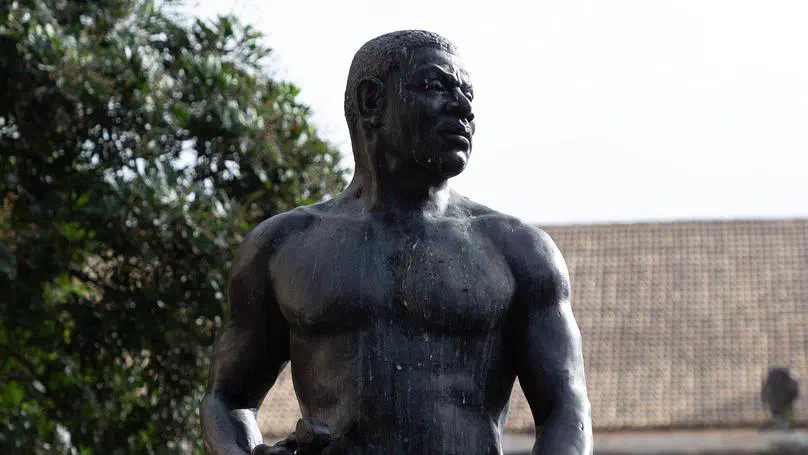
Zumbi dos Palmares led the largest community of escaped slaves in Brazil and died fighting for freedom on 20 November 1695. Who he was, what Palmares was, and why capoeira sings his name.

Besouro Mangangá was a legendary capoeirista from Santo Amaro in Bahia who stood up to the police and the powerful in the years when capoeira was a crime. His life, his legends and why capoeira still sings about him.

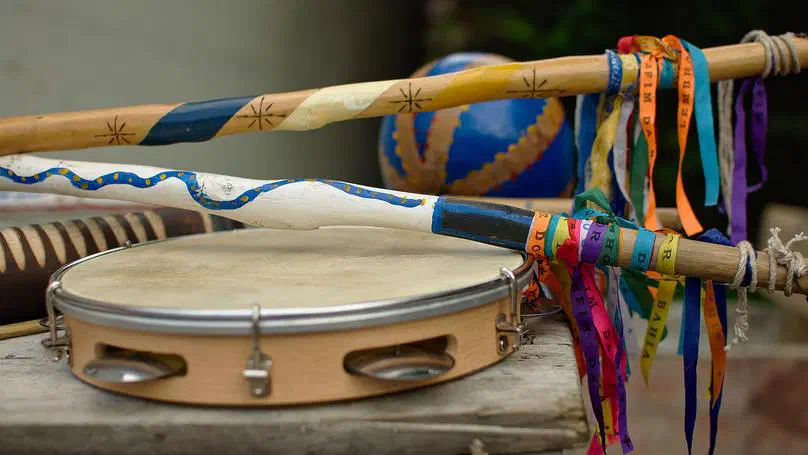
Capoeira is played to live music. Meet the berimbau, the one-string bow that leads the roda, and the pandeiro, atabaque, agogô and reco-reco that make up the bateria.

Low and strategic, fast and direct, or a mix of both? The three main styles of capoeira explained: where Capoeira Angola, Capoeira Regional and Capoeira Contemporânea come from, and how they differ in the roda.

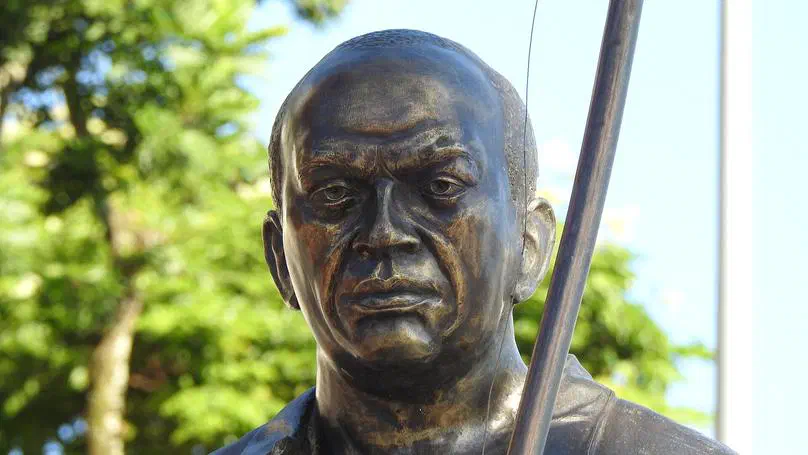
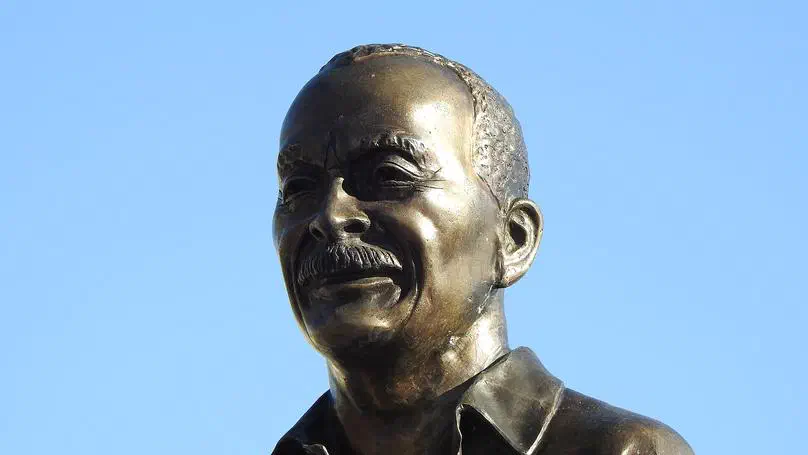
Mestre Bimba (1899–1974) created Capoeira Regional, opened one of the first capoeira schools and helped capoeira go from a banned street practice to a recognised Brazilian art. His life, his method and his legacy.

Mestre Pastinha (1889–1981) was the great guardian of Capoeira Angola: a teacher, philosopher and artist who founded the first Capoeira Angola school and carried it to the world. His life, his ideas and his legacy.

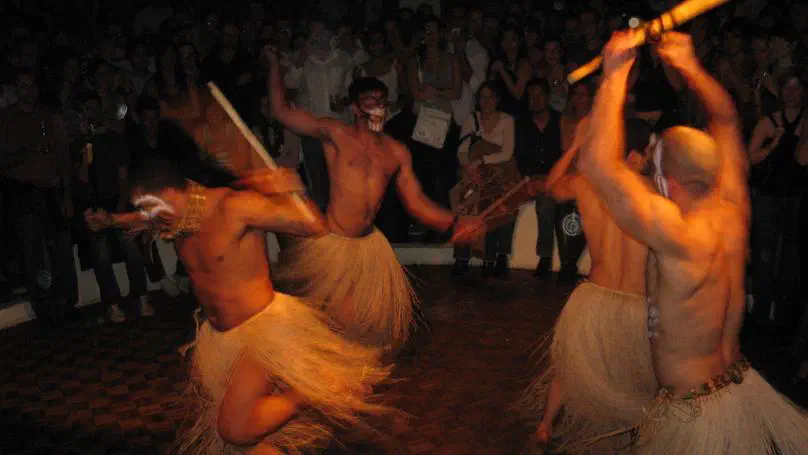
Maculelê is an Afro-Brazilian stick dance from Santo Amaro, Bahia, danced to the atabaque with two wooden sticks. Where it comes from, how it is played and why so many capoeira groups learn it.

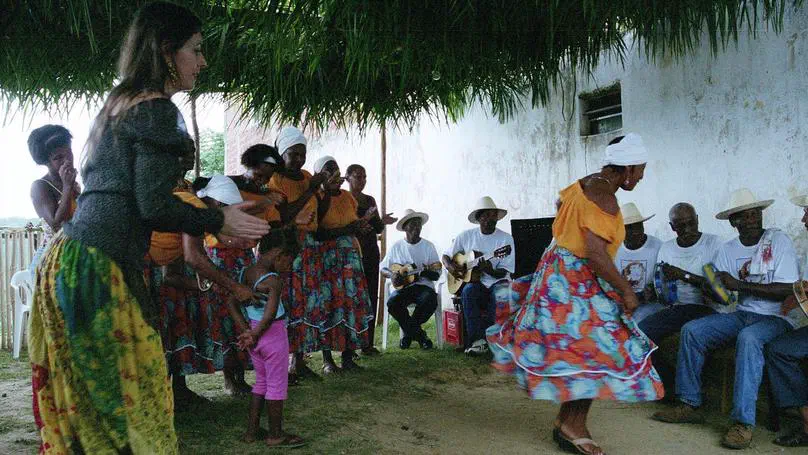
Samba de roda is the circle samba of the Recôncavo Baiano: song, clapping, pandeiro and the miudinho step. A UNESCO-listed tradition and a root of Brazilian samba, it is also the dance that often closes a capoeira roda.

In 2014 UNESCO added the roda de capoeira to the Representative List of the Intangible Cultural Heritage of Humanity. What was recognised, how it happened and what it means for capoeiristas around the world.